
Introduction to Snake Plants
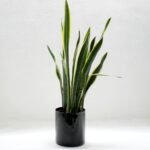
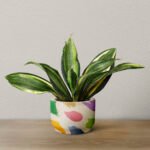
Snake plants, scientifically known as Sansevieria or Dracaena trifasciata, are iconic houseplants admired for their striking appearance and resilience. Characterized by their tall, upright leaves that feature vibrant green hues and distinctive yellow or white edges, snake plants can add a touch of elegance to any small space. Their architectural form makes them an excellent choice for apartments where space is limited, ensuring they can fit into various interior design styles without overwhelming the area.
One of the most compelling attributes of snake plants is their hardy nature. They thrive in a variety of light conditions, from low light to bright, indirect sunlight, and require minimal watering, which is particularly advantageous for those who may forget regular plant maintenance. This hardiness makes snake plants suitable for beginners and seasoned plant enthusiasts alike, ensuring that anyone can introduce greenery into their living space effortlessly.
In addition to their visual appeal, snake plants possess remarkable air purification abilities. Research conducted by NASA highlighted their capacity to remove toxins such as formaldehyde, benzene, and xylene from indoor environments, making them exceptional allies for improving air quality in apartments. By incorporating snake plants into your home, you not only enhance the aesthetics of your space but also contribute to a healthier living environment.
Furthermore, snake plants are known to release oxygen at night, differing from most other plants that do so during the day. This unique trait makes them a desirable option for bedrooms, promoting better air quality throughout the night. Their low maintenance needs, coupled with their air-purifying qualities and aesthetic value, firmly establish snake plants as a perfect addition for urban dwellers seeking to incorporate greenery into their limited spaces.
Choosing the Right Snake Plant Varieties
When considering small space gardening in apartments, selecting the appropriate snake plant variety is essential. Snake plants, also known as Sansevieria, offer a range of shapes and sizes that can enhance the aesthetics of limited spaces while providing numerous health benefits, such as filtering indoor air. Among the popular types, the Sansevieria trifasciata, often referred to as the mother-in-law’s tongue, is a top choice. This variety features tall, upright leaves characterized by their striking green and yellow stripes, making it an eye-catching addition to any room.
Another suitable option is the Sansevieria cylindrica, or cylinder plant. Its unique cylindrical leaves stand upright, offering a modern look that is perfect for contemporary decor. This variety is known for being especially hardy and requires minimal care, thriving in various light conditions, which makes it an excellent choice for those new to gardening in apartments.
For a more compact option, the Sansevieria kirkii can be ideal. This variety is smaller in stature, with broader leaves displaying attractive patterns that can accentuate smaller spaces effectively. It is particularly great for tabletops or shelves where height restrictions apply. Each variety has unique care requirements; while most snake plants are drought-resistant and thrive in indirect light, ensuring the right balance of light and infrequent watering is crucial for optimal health.
When selecting the best snake plant variety for an apartment, personal preferences in terms of size, shape, and overall aesthetic should be considered. Additionally, consider the placement of the plant to ensure that it complements the existing decor while maximizing the visual appeal of the space. By choosing the right variety, snake plants can seamlessly blend into modern apartments, enhancing the environment with their natural beauty.
Tips for Growing Snake Plants in Small Spaces
Growing snake plants, also known as Sansevieria, in small spaces can be an enjoyable and rewarding experience. These resilient plants can thrive in various light conditions, making them ideal for apartment living. However, understanding their specific needs will enhance their growth and longevity.
Firstly, consider the light conditions; snake plants prefer indirect light but can survive in low-light environments. If your apartment has bright light, placing them near a window is beneficial, whereas, in shadier areas, they will still flourish. It is crucial to avoid direct sunlight, which can scorch their leaves. Positioning the plant in a spot where it receives filtered light will encourage optimal growth while conserving space.
Watering is another vital aspect of snake plant care. These plants are drought-tolerant and require infrequent watering—typically every two to six weeks, depending on the season and humidity levels. It is essential to allow the soil to dry fully between waterings to prevent root rot. Choosing well-draining soil, such as a cactus or succulent mix, further ensures that excess water does not accumulate, promoting a healthy root system.
For potting techniques, opt for pots with drainage holes to facilitate moisture regulation. As snake plants grow vertically, select narrow, tall containers to maximize space while offering stability. Repotting every few years can also help maintain their health, providing fresh soil and better growth conditions.
Lastly, common issues with snake plants include yellowing leaves or pests, such as mealybugs. To remedy these problems, adjust your watering routine and inspect your plants regularly. By adhering to these care tips, you can successfully grow snake plants in the limited space of your apartment, bringing a touch of green into your home without compromising on space.
Decorative Ideas and Placement Strategies
Integrating snake plants into your apartment decor not only enhances the aesthetic appeal of your space but also promotes a healthier indoor environment. These resilient plants can be stylishly incorporated into various areas of your home using innovative placement strategies. One effective method is utilizing vertical space through the use of shelves. By positioning snake plants on floating shelves or bookcases, you can create a visually captivating display while keeping your floor space clear. Incorporating different heights and arrangements can add dimension to your décor, making the most of limited space.
Another creative approach is to use elevated planters or plant stands. These can help to draw attention to your snake plants and make them focal points within your living areas. Consider using planters made from materials that complement your existing furniture, such as wood or metal, to create a harmonious theme across your apartment. Select stands that vary in height to allow for an engaging display, which can lead to a stunning visual impact within your living space.
In addition to shelves and stands, window sills are prime locations for snake plants, as they thrive in indirect light. Placing snake plants on the sill not only maximizes the use of sunlight but also frames your view outside. You can further enhance the display by incorporating smaller decorative items alongside your plants, such as candles or vases, creating a cohesive arrangement. Lastly, consider grouping multiple snake plants of varying sizes to create a lush mini-garden effect. This can act as a beautiful centerpiece on tables or sideboards. With these placement strategies and decoration ideas, your apartment can become a vibrant sanctuary that embodies the benefits of indoor gardening.