Understanding the Aesthetic Appeal of Snake Plants
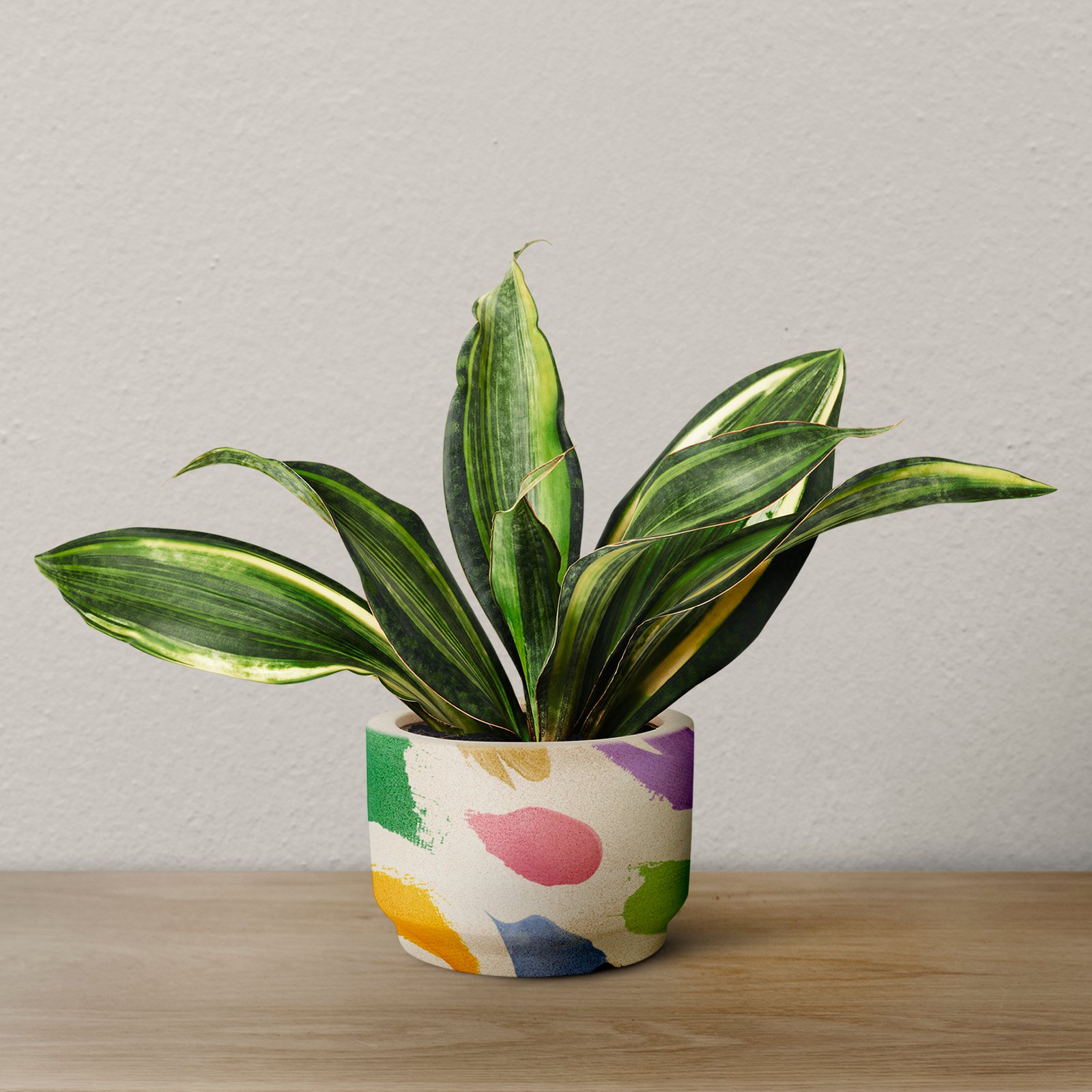
Snake plants, scientifically known as Sansevieria, are renowned for their unique and striking appearance, which plays a significant role in their popularity as a choice for interior decor. One of the most distinctive features of snake plants is their tall, upright leaves that can grow several feet high. This vertical growth habit creates a sculptural quality, making them ideal for adding height to any room. The leaves, usually variegated with rich green tones complemented by yellow, silver, or white edging, provide a dramatic visual contrast that enhances the overall aesthetic of a space.
The bold colors and rigid forms of snake plants enable them to serve as focal points or subtle accents, depending on their placement. This versatility is one reason they fit seamlessly in both contemporary and traditional environments. The modern design, with clean lines and minimalistic aesthetics, benefits from the sleek look of snake plants, while their organic form can add a touch of softness to more classic settings. Furthermore, their ability to thrive in various light conditions makes them an adaptable choice for diverse spaces, from homes to offices.
The aesthetic appeal of snake plants extends beyond their physical characteristics; these plants also contribute to the overall ambiance and atmosphere of a room. Their lush green foliage can foster a sense of tranquility, making them ideal for relaxation areas such as bedrooms or reading nooks. Additionally, the presence of foliage typically helps improve indoor air quality, which is an often overlooked benefit. This combination of visual impact and functional advantage makes snake plants not only an appealing decor choice but also a practical one, allowing individuals to thoughtfully select pots that enhance their natural beauty.
Choosing the Right Pot: Color Considerations
When selecting pots for your snake plants, it is essential to consider the color scheme that will best complement the vibrant green foliage characteristic of these popular house plants. One effective approach lies in utilizing color theory, specifically the principles found in the color wheel. Understanding the relationship between colors can guide you in making informed decisions about pot selections that enhance your indoor space.
Complementary colors, which are those that sit opposite each other on the color wheel, can create a striking visual contrast. For example, pairing a snake plant with deep burgundy or rich maroon pots can highlight the plant’s green hues and create a focal point in the room. Alternatively, you may opt for analogous colors—those that are next to each other on the wheel—like soft blues and soothing grays. These combinations can create a harmonious and calming atmosphere, ideal for a serene living space.
In addition to complementary and analogous color schemes, consider the overall style of your room. If you have a minimalist decor style, then sleek white or matte black pots may be the ideal choice. These colors can lend an understated elegance that emphasizes the unique shape and texture of snake plants. Conversely, bold and bright pots could add a touch of whimsy and personality to eclectic interiors, allowing the plants to stand out in creative ways.
Specific colors that consistently pair well with snake plants include earthy tones, such as terracotta and olive green, which echo the plant’s natural roots. These shades work well together, creating a seamless transition between your decorative pots and the greenery within them. As you choose the perfect pot for your snake plant, remember to keep these color considerations in mind to enhance the visual appeal and overall ambiance of your living space.
Texture Matters: Enhancing Your Snake Plant Display
The texture of the pots used to showcase snake plants plays a pivotal role in enhancing their visual appeal. By selecting complementary materials, one can create a striking display that captures attention and highlights the unique characteristics of the plant. Various pot materials offer distinct textures that influence the overall aesthetic of your arrangement.
Ceramic pots, for instance, often feature smooth finishes and vibrant glazes, which can add a splash of color while providing a polished look. They are versatile and can suit modern or traditional decor alike. In contrast, terracotta pots lend a rustic touch due to their natural, earthen appearance. This material allows for excellent air circulation, which benefits the snake plant’s root system. The warm, earthy tones of terracotta can effectively contrast with the sleek, upright growth of snake plants.
Metal pots, such as those made from stainless steel or galvanized aluminum, introduce an industrial vibe. They are sturdy and resistant to wear, making them suitable for various environments. The reflective quality of metal can provide a unique interplay with light, which may result in changing visual dynamics as the time of day shifts. Furthermore, woven texture pots, made from materials like seagrass or rattan, infuse warmth and an organic appeal, enhancing the naturalistic feel of your display.
An effective strategy for creating an eye-catching arrangement is to mix and match these textures. For example, pairing a sleek ceramic pot with a woven basket can create an engaging contrast. Alternatively, placing a terracotta pot next to a shiny metal one can highlight the unique features of both materials. By experimenting with these combinations, the snake plant display can transform into a dynamic focal point that resonates with personal style and home decor.
Practical Tips for Styling Snake Plants in Different Settings
Styling snake plants effectively can transform various environments, enriching both homes and offices with their unique aesthetic appeal. When positioning snake plants, consider their light requirements. These resilient plants thrive in bright, indirect sunlight, but can also adapt to lower light conditions. For indoor spaces, select locations that allow filtered light, such as near east or west-facing windows. In contrast, when styling outdoor patios, ensure snake plants are sheltered from harsh, direct sunlight to prevent leaf scorch.
It’s essential to create a cohesive look by selecting pots that harmonize with the existing decor style. For contemporary settings, sleek, minimalistic pots in monochromatic colors often work best, while bohemian styles may benefit from pottery featuring intricate patterns or earthy tones. The texture of the pot should complement the snake plant’s upright, architectural form. Smooth ceramic, textured terracotta, or even woven baskets can contrast beautifully with the plant’s linear leaves.
To establish striking displays, consider varying pot sizes and arrangements. Grouping different sized snake plants together can create depth and interest. For instance, place smaller varieties in the foreground and larger ones behind, ensuring each plant is visible. Additionally, incorporating a mix of textures by alternating between matte and glossy finishes can further enhance visual appeal.
Maintenance is equally important in ensuring the longevity and health of your snake plants. Water them sparingly, allowing the soil to dry out completely before re-watering. Regularly check for signs of pests or damage, and wipe down the leaves occasionally to remove dust, ensuring they maintain their striking appearance. By thoughtfully selecting the right pots and maintaining care routines, snake plants can serve as both stylish decor elements and natural air purifiers in any setting.